

Can Invisalign Fix an Overbite? What Clapton Patients Should Know
August 12, 2026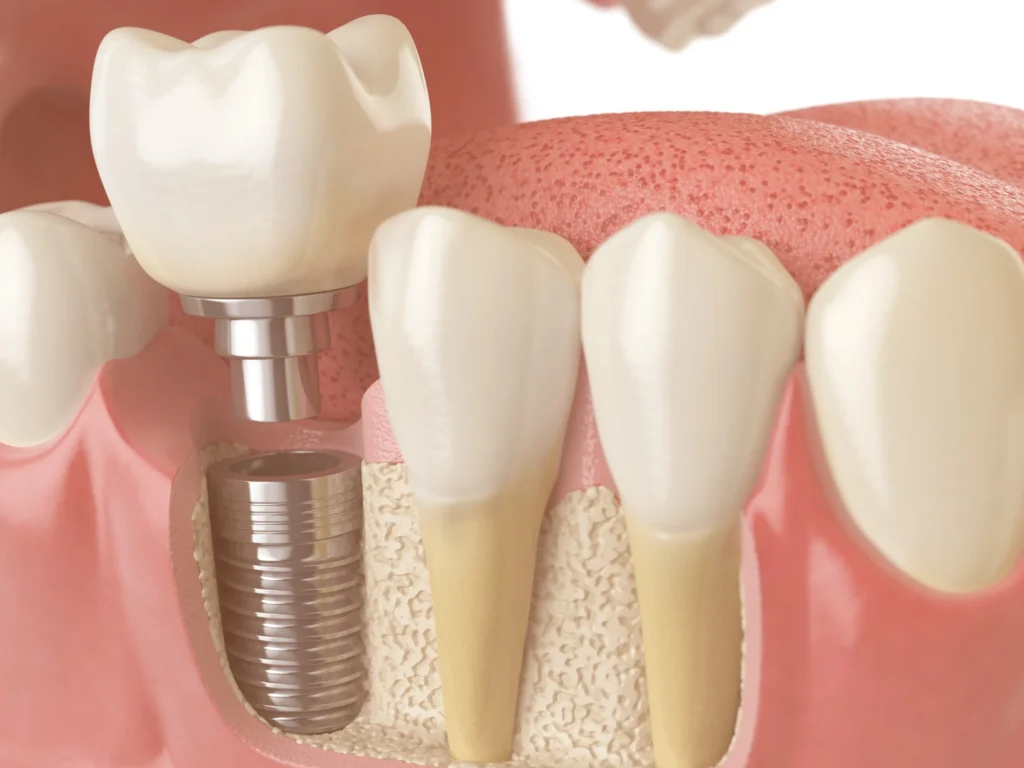
If you have been told you need a dental implant, you may also hear the term “bone grafting.” This can sound worrying, but it is a common procedure that helps create a strong foundation for dental implants.
Not everyone needs a bone graft. However, if you have lost bone after a tooth extraction or gum disease, Bone Grafting in Clapton may be recommended before placing your implant.
At Ardent Smile Clinic, we carefully assess every patient using modern diagnostic technology to determine whether bone grafting is necessary. This guide explains why bone grafting is sometimes needed and what you can expect from treatment.
What Is Bone Grafting?
Bone grafting is a procedure that replaces or rebuilds bone in the jaw.
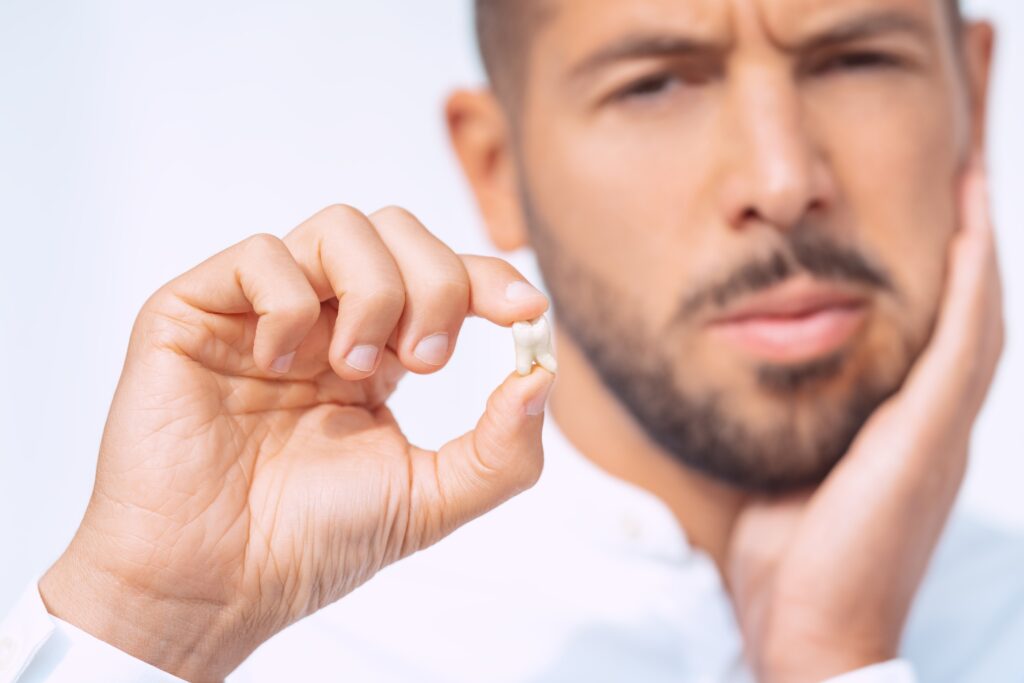
When a tooth is lost, the surrounding bone no longer receives stimulation from chewing. Over time, the bone naturally shrinks. If too much bone is lost, there may not be enough support for a dental implant.
Bone grafting encourages new bone to grow, creating a stable foundation for future treatment.
Why Might You Need Bone Grafting?
There are several reasons why patients may require Bone Grafting in Clapton before receiving implants.
These include:
- Tooth loss many years ago
- Advanced gum disease
- Injury to the jaw
- Infection around a tooth
- Natural bone loss with age
- Previous failed implant treatment
Your dentist will examine your jaw carefully before recommending the most suitable treatment.
How Do Dentists Check If Bone Grafting Is Needed?
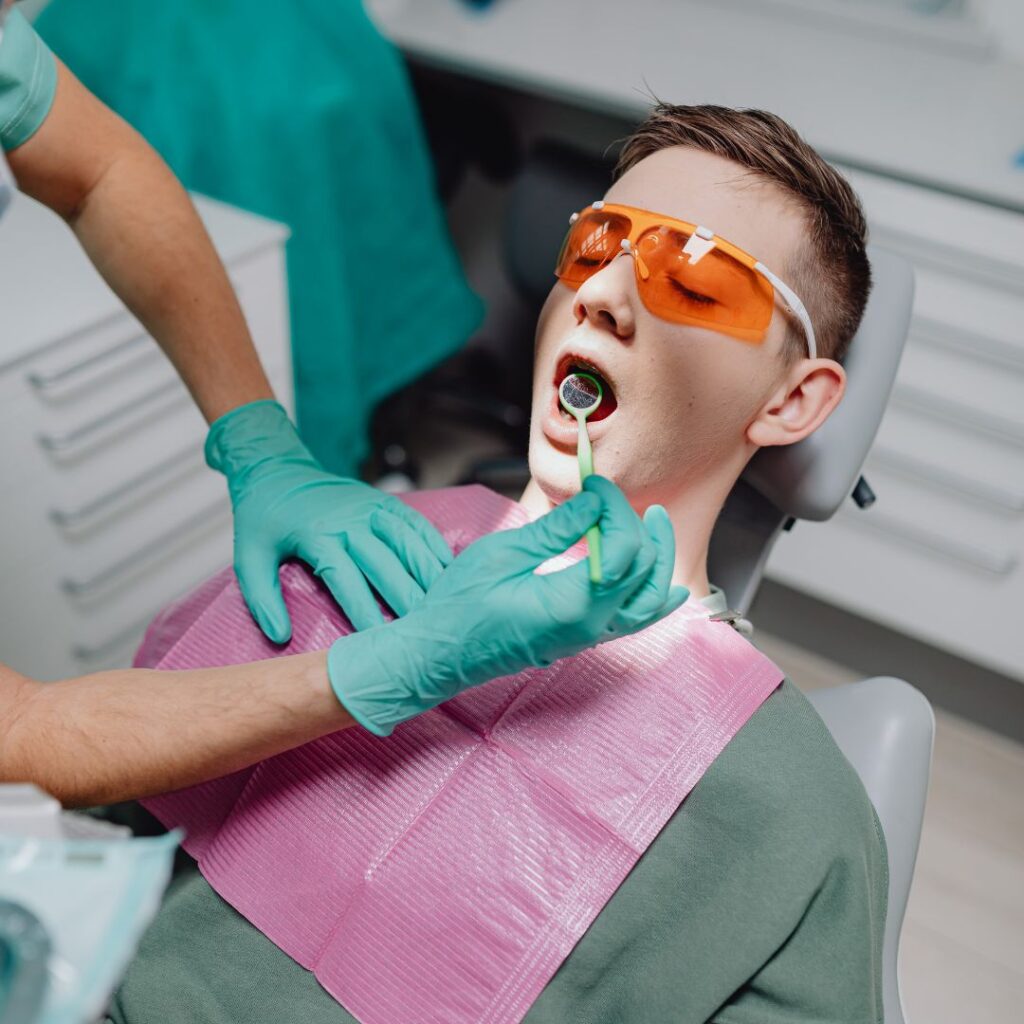
Before starting treatment, your dentist will carry out a full assessment.
This usually includes:
- Clinical examination
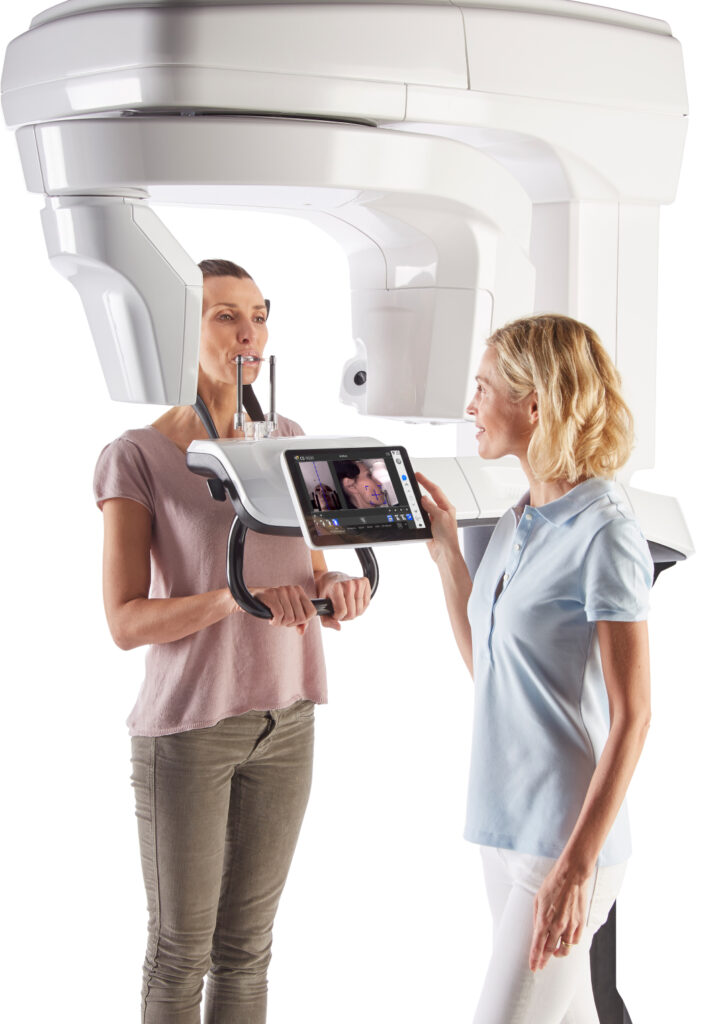
- Digital X-rays
- 3D CBCT scan where appropriate
- Medical history review
- Discussion of your treatment goals
These checks allow us to measure the amount and quality of bone available before placing dental implants in Clapton.
What Happens During Bone Grafting?
The procedure is usually simpler than many patients expect.
During treatment, your dentist places bone graft material into the area where additional bone is needed.
The graft acts as a framework that encourages your body to produce new bone naturally over the following months.
The procedure is carried out using local anaesthetic, making it comfortable for most patients.
Where Does the Bone Come From?
Several types of graft material can be used.
These include:
- Processed natural bone
- Synthetic bone substitutes
- Animal-derived bone materials that are specially prepared for dental use
- Your own bone in selected cases
Your dentist will recommend the option that is most suitable for your individual treatment.
How Long Does Bone Grafting Take to Heal?
Healing times vary from patient to patient.
Most bone grafts require between three and six months to fully integrate with the existing jawbone before implants can be placed.
During this period, new healthy bone forms around the graft material, creating the support needed for a long-lasting implant.
Can Dental Implants Be Placed Immediately?
Sometimes they can.
If there is enough healthy bone remaining, the implant may be placed at the same appointment as the bone graft.
In other situations, healing is required before implant placement.
Your dental implant consultation Clapton will determine which approach is best for you.
Is Bone Grafting Painful?
Most patients are surprised by how comfortable the procedure is.
You will receive local anaesthetic throughout the treatment. Afterwards, you may experience mild swelling or discomfort for a few days.
This is usually managed with:
- Over-the-counter pain relief
- Ice packs
- Soft foods
- Good oral hygiene
- Following your dentist’s aftercare advice
Most patients return to normal daily activities within a day or two.
What Happens If You Do Not Have Enough Bone?
Without enough bone, a dental implant may not be stable enough to support everyday chewing forces.
Trying to place an implant into insufficient bone increases the risk of treatment failure.
That is why Bone Grafting in Clapton is recommended when necessary. It improves the long-term success of implant treatment by providing stronger support for the implant.
Benefits of Bone Grafting
Bone grafting offers several important advantages.
These include:
- Stronger support for implants
- Better long-term implant success
- Improved jawbone health
- Better facial support
- More treatment options after tooth loss
Many patients who were previously unsuitable for implants become good candidates after successful bone grafting.
Why Choose Ardent Smile Clinic?
At Ardent Smile Clinic, we understand that every patient is different.
We provide:
- Comprehensive implant assessments
- Modern digital imaging
- Personalised treatment plans
- Gentle patient-focused care
- Ongoing support throughout treatment
Whether you require dental implants in Clapton alone or need additional procedures beforehand, our experienced team will explain every stage clearly and answer all your questions.
Book Your Dental Implant Consultation
If you are considering replacing a missing tooth, the first step is a professional assessment.
Book a dental implant consultation Clapton at Ardent Smile Clinic today. We will examine your jaw, discuss your options and let you know whether bone grafting is needed before treatment begins.
People Also Ask
Do all patients need bone grafting before dental implants?
No. Many patients already have enough healthy jawbone to support an implant. Bone grafting is only recommended when there is insufficient bone to provide long-term stability for the implant.
How successful is bone grafting?
Bone grafting has a very high success rate when carried out by experienced dental professionals and followed by good oral hygiene and aftercare. It significantly improves the chances of successful implant treatment. Source: NHS information on dental implants and oral surgery.
How long after bone grafting can I have a dental implant?
Most patients wait between three and six months before receiving their implant. The exact healing period depends on the size of the graft and your body’s natural healing process.
Is bone grafting safe?
Yes. Bone grafting is a routine dental procedure with an excellent safety record. Your dentist will discuss any risks and explain how to care for the area during healing.